

Every operations leader in the Gulf is having the same quiet conversation right now. Demand is up. Customers expect an answer at 2am on WhatsApp. And hiring another shift of agents (training them, scheduling them, covering the churn) is slower and more expensive than the growth it's meant to support.
So the question has changed. It's no longer "which chatbot do we buy?" It's "what work can we actually hand to an AI employee, and what should stay with our people?"
That's a better question, and it deserves a real answer. It is the question that opens every argument about an AI workforce.
A chatbot answers. An AI employee finishes the job.
The word "chatbot" carries a decade of baggage: rigid menus, "I didn't understand that," and a frustrated customer mashing zero to reach a human. That's not what we're talking about.
An AI employee is defined by what it completes, not what it says:
- It picks up the call, understands the request in the caller's own language, and resolves it end-to-end.
- It reads your systems, updates the record, books the slot, sends the confirmation.
- It knows the exact moment it's out of its depth, and hands the conversation to a human with the full context already attached.
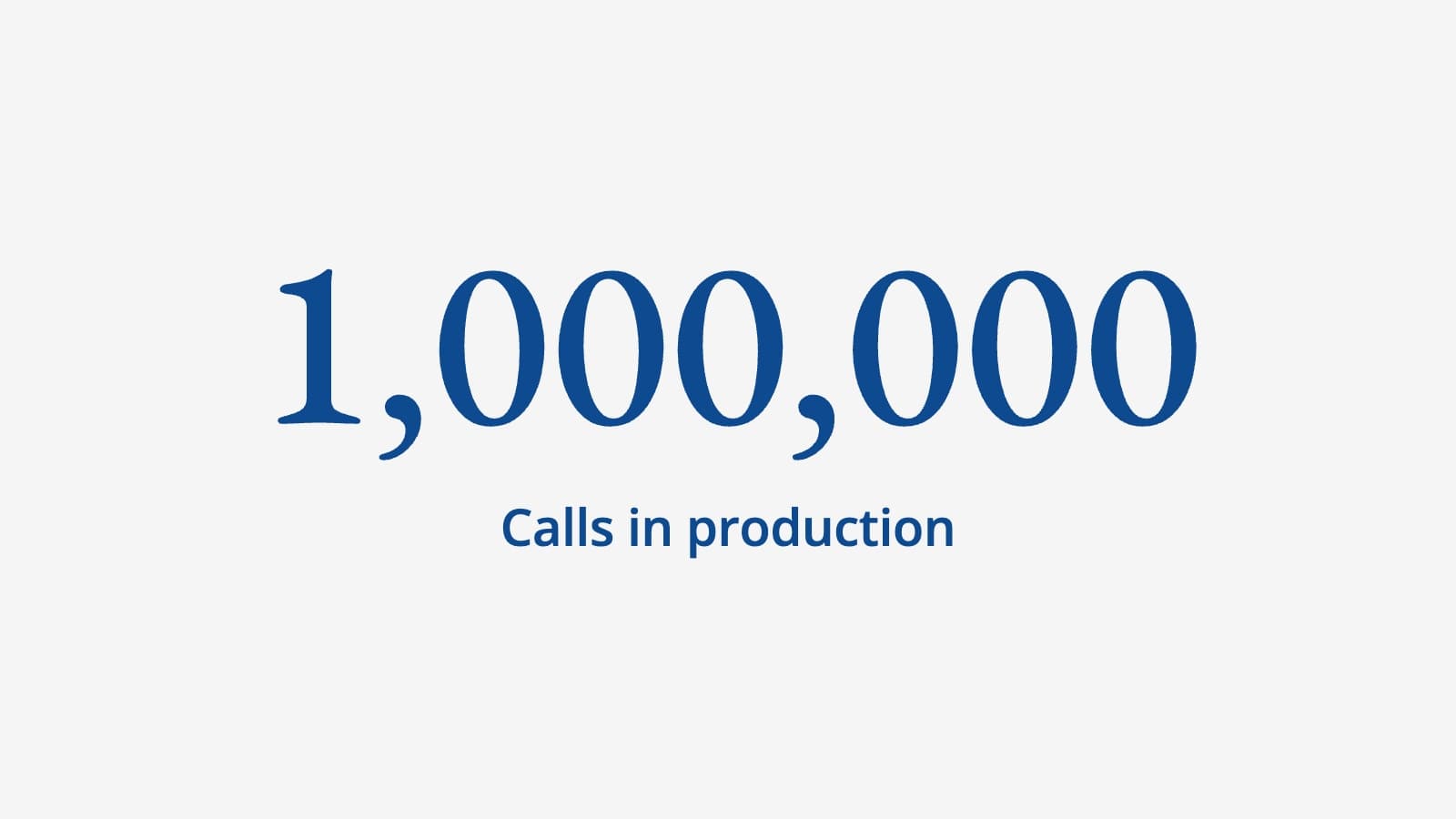
The difference is the same as the difference between a vending machine and a colleague. One dispenses answers. The other owns the outcome. Across our live deployments, AI employees have handled more than one million calls to date, which is what "owning the outcome" looks like at production scale.
What actually changes on day one
The honest pitch isn't "fire your team." It's "stop losing the work your team can't physically get to."
| Where the work leaks | What it costs today | With an AI employee |
|---|---|---|
| Calls after 6pm and on Fridays | Ring out, unrecorded, unmeasured | Answered at the same speed as noon |
| The WhatsApp inbox | Enquiries sit unread for hours | The front desk is always staffed |
| Overnight leads | Follow-up happens tomorrow; the lead went cold tonight | Qualified and booked within the minute |
| Compliance checks | One call in a hundred sampled | Every call reviewed |
None of those are failures of effort. They're failures of capacity. An AI employee adds capacity that doesn't sleep, doesn't queue and doesn't take Eid off, so your people spend their hours on the judgment calls that actually need a human. That is round-the-clock coverage without burning out a rota.
The goal was never to replace the team. It was to make sure no customer ever hits a wall marked "closed."
"But our customers want a human"
They do, for the moments that matter. What they don't want is to wait forty minutes on hold to change a billing date, or to repeat their account number to three different people.
The best deployments we see aren't AI or human. They're AI first, human when it counts:
- The AI employee handles the routine 70–80% instantly.
- It escalates the genuinely hard cases (the upset customer, the unusual request, the high-value negotiation) to a person.
- That person arrives already briefed, so the customer never starts over.
Your team stops being a call centre and starts being a specialist desk. That's a better job, and most agents will tell you so.
Start with the work, not the technology
The mistake is to start with "we need AI." The right starting point is a single, unglamorous question: where does work pile up that no human can get to fast enough?
Answer that honestly and the first hire in your AI workforce usually chooses itself: the after-hours phone line, the WhatsApp inbox, the overnight lead follow-up. If it is that last one, AI lead qualification calls are the job to hand over first. Prove it on real traffic. Measure it against what you're losing today. Then decide whether to hire the next one.
That's how a workforce gets built, one dependable hire at a time. It just happens that the next dependable hire might not need a desk.
Frequently asked questions
What is an AI employee, exactly?
A production AI system hired for a defined job: answering calls, working WhatsApp, running back-office tasks. It completes requests end-to-end inside your systems and escalates to your people with full context when judgment is needed.
How is an AI employee different from a chatbot?
A chatbot replies; an AI employee finishes. The test is completion: did the appointment get booked, the payment date moved, the record updated? If the customer still needs a human to get the outcome, it was a chatbot.
Does hiring an AI employee mean replacing my team?
No. It means the routine 70–80% stops consuming them. Your people handle the negotiations, the sensitive cases, and the exceptions, delivered to them with the whole story attached.
Where should the first AI employee start?
Wherever work piles up faster than humans can reach it: usually the after-hours line, the WhatsApp inbox, or lead follow-up. Start with one queue, prove it on your real traffic, then expand.
Meet your first AI employee. Book a demo and it will call you back within a minute.